Table of Contents
ToggleIntroduction: The Festival of Lights
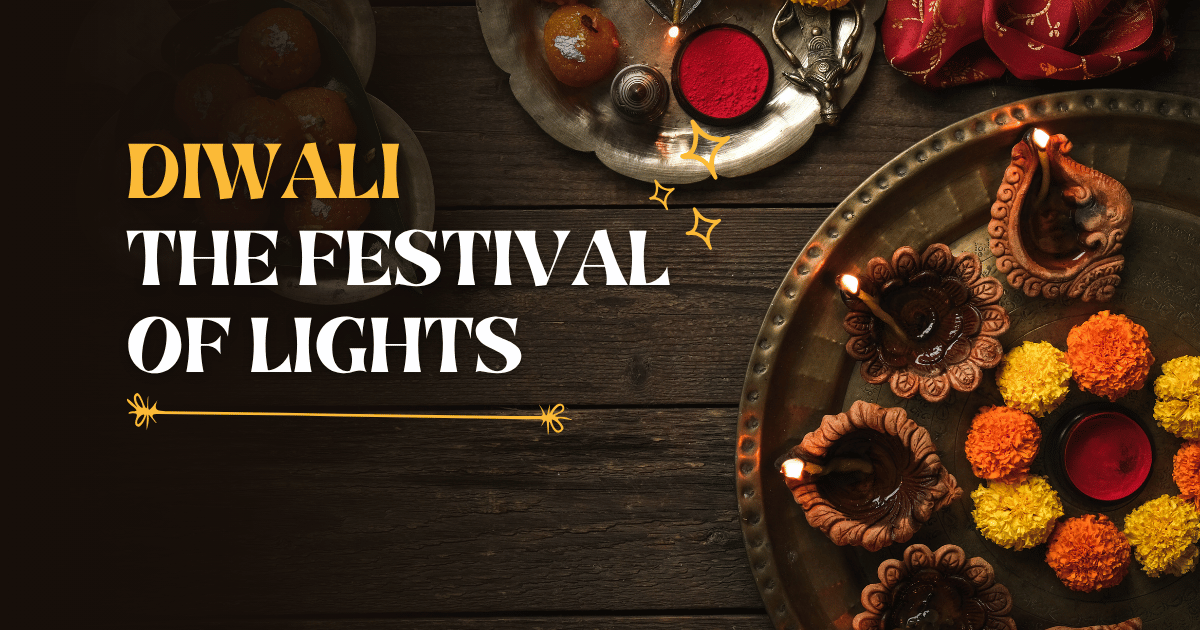
The Diwali Festival, also known as Deepavali, is one of India’s most loved and widely celebrated festivals. Known as the Festival of Lights, Diwali brings families, friends and communities together to celebrate happiness, hope, prosperity and the victory of good over evil. Homes shine with colourful lights, traditional diyas, beautiful rangoli designs and festive decorations, creating a joyful atmosphere everywhere.
Diwali is more than a festival of lights and sweets. It carries a meaningful message about removing darkness from our lives, overcoming negativity and welcoming new beginnings. For many people, it is a time to pray, express gratitude, strengthen relationships and look forward to a prosperous future.
Diwali 2026 will be celebrated on Sunday, 8 November 2026, according to India’s Incredible India tourism portal. The main date and related rituals may vary according to local religious calendars and regional traditions.
From Lakshmi Puja and family gatherings to exchanging gifts and preparing traditional delicacies, the Diwali Festival reflects India’s rich cultural heritage. Let’s explore its history, significance, traditions and the best ways to celebrate it meaningfully.
What Is the Diwali Festival?
Diwali is a traditional festival celebrated by millions of people in India and around the world. The word Deepavali is commonly understood as a row or series of lights. The lighting of diyas symbolises the victory of light over darkness and the triumph of knowledge over ignorance.
The festival generally falls in October or November, according to the Hindu lunisolar calendar. For many Hindu families, Diwali is associated with the worship of Goddess Lakshmi, who represents wealth and prosperity, and Lord Ganesha, who is associated with wisdom and auspicious beginnings.
Diwali is also significant in Jainism and Sikhism, while some Buddhist communities observe traditions associated with the festival. The meanings and rituals differ across communities, making Diwali a celebration with a rich and diverse cultural history.
History and Mythological Significance of Diwali
The Diwali Festival has several historical, religious and mythological associations. Different regions celebrate it through stories that share themes of righteousness, freedom, hope and the victory of good over evil.
1. The Return of Lord Rama to Ayodhya
One of the most widely known stories associated with Diwali comes from the Ramayana. According to the traditional account, Lord Rama returned to Ayodhya with Goddess Sita and Lakshmana after completing 14 years of exile and defeating Ravana.
The people of Ayodhya are believed to have welcomed them by lighting rows of earthen lamps. This story explains why diyas remain central to Diwali celebrations in many parts of India.
The story reminds people that truth, courage and righteousness can overcome injustice, and that difficult times can eventually give way to happiness.
2. Lord Krishna’s Victory Over Narakasura
In many parts of India, particularly in traditions associated with southern India, Diwali celebrations are linked to Lord Krishna’s victory over the demon king Narakasura.
The victory represents the destruction of evil and the restoration of peace. It is also associated with Naraka Chaturdashi, commonly known as Chhoti Diwali.
3. Worship of Goddess Lakshmi
For many Hindu households, Diwali is an important occasion to worship Goddess Lakshmi and seek blessings for prosperity, peace and well-being.
Families clean and decorate their homes, prepare offerings and perform Lakshmi Puja according to their traditions. Lord Ganesha is also commonly worshipped for wisdom, good fortune and the removal of obstacles.
4. Diwali in Jain and Sikh Traditions
Diwali has significance beyond the most familiar Hindu narratives.
For Jains, the day is associated with Lord Mahavira’s attainment of nirvana, or liberation. For Sikhs, Bandi Chhor Divas coincides with Diwali in many years and commemorates Guru Hargobind Ji’s release from imprisonment and the freedom of other detained rulers.
These traditions demonstrate how the festival season carries different meanings for different communities while bringing people together through remembrance, devotion and celebration.
Why Is the Diwali Festival Celebrated?
The Diwali Festival is celebrated for religious, spiritual, cultural and social reasons. Although customs vary, several themes are widely shared.
Victory of Good Over Evil
Diwali reminds people that goodness, honesty and courage are worth following, even when facing difficulties.
Light Over Darkness
Lighting a diya represents hope, positivity and the desire to overcome ignorance, fear and negativity.
Prosperity and New Beginnings
Many families regard Diwali as an auspicious time to begin new ventures, organise their finances, purchase household items or set goals for the coming year.
Family Unity and Togetherness
Relatives visit one another, exchange gifts, share meals and spend quality time together. These traditions help strengthen family relationships.
Gratitude and Generosity
Diwali is also an opportunity to thank people who have supported us, donate to those in need and share happiness with others.
The Five Days of the Diwali Festival
Diwali is commonly associated with a five-day celebration. The names, rituals and exact observances may differ across regions and communities.
Day 1: Dhanteras
Dhanteras marks the beginning of the traditional Diwali festivities for many families. People clean their homes, decorate entrances and shop for items such as utensils, gold or silver according to their customs and budgets.
The day is associated with prosperity, health and auspicious beginnings. Many people also use this occasion to organise their homes and prepare for the coming celebrations.
Day 2: Naraka Chaturdashi or Chhoti Diwali
Chhoti Diwali is observed on the day before the main Diwali in many regional calendars. It is associated with the victory of Lord Krishna over Narakasura.
Families may light diyas, prepare sweets and snacks, decorate their homes and complete their festive preparations.
Day 3: Lakshmi Puja and Main Diwali
Lakshmi Puja is the central observance for many Hindu families on the main Diwali day.
People dress in festive clothes, decorate their homes with lights and rangoli, perform prayers and share sweets with relatives and neighbours. Some families also worship Lord Ganesha.
In the evening, homes and public spaces glow with lamps and decorative lighting. Many families celebrate with a special dinner, gifts and visits from loved ones.
Day 4: Govardhan Puja and Annakut
Govardhan Puja is observed in many communities to honour Lord Krishna and the traditional story of his lifting Govardhan Hill to protect the people of the region.
Annakut, meaning a mountain of food, is prepared in some temples and homes as an offering of gratitude. Other regions observe related traditions, including Bali Pratipada.
Day 5: Bhai Dooj
Bhai Dooj celebrates the bond between brothers and sisters. Sisters may perform a tilak ceremony and pray for their brothers’ well-being, while brothers express affection and appreciation through gifts and family time.
The day highlights love, care and the importance of family relationships.
Popular Diwali Traditions in India
Lighting Diyas and Decorative Lights
Earthen lamps, candles and electric lights are among the most recognisable features of Diwali. Traditional diyas bring a warm glow to homes, balconies, courtyards and entrances.
Many families choose reusable LED lights alongside clay lamps to combine tradition with convenience.
Making Rangoli Designs
Rangoli is a traditional decorative art created near entrances, courtyards and prayer areas. Designs may feature flowers, geometric patterns, diyas, peacocks and other auspicious symbols.
People use coloured powders, rice flour, flower petals or other materials to create beautiful designs. Rangoli is often made to welcome guests and express creativity.
Wearing Traditional Clothes
Diwali is an occasion for wearing festive clothing. Sarees, suits, kurtas, lehengas and other traditional outfits are popular choices, while many people prefer modern festive fashion.
The most important part is feeling comfortable and celebrating in a way that reflects personal style and family traditions.
Preparing and Sharing Sweets
Sweets are an essential part of Diwali hospitality. Families prepare homemade treats and exchange sweet boxes with relatives, friends, neighbours and colleagues.
Sharing food is a simple way to spread joy and make others feel included.
Visiting Family and Friends
Many people travel to their hometowns or invite relatives home during Diwali. These visits provide an opportunity to reconnect, exchange good wishes and create lasting memories.
Popular Diwali Sweets and Food
Food adds warmth and excitement to the Diwali Festival. Although dishes vary from region to region, common festive favourites include:
Laddoos: Besan, motichoor and coconut laddoos are popular sweets.
Gulab Jamun: Soft, syrup-soaked sweets often served during festive meals.
Kaju Katli: A cashew-based sweet frequently exchanged in gift boxes.
Barfi: A broad family of sweets made in different flavours and styles.
Jalebi: A crispy, syrupy delicacy enjoyed in many parts of India.
Mathri and Namak Pare: Savoury snacks served to visiting guests.
Chakli and Chivda: Crunchy snacks popular in several regional traditions.
Gujiya and Karanji: Filled pastries prepared in different regional styles.
If you are gifting sweets, consider freshness, ingredient labels and dietary requirements. Homemade treats or carefully selected local products can make thoughtful presents.
Diwali Festival Decorations: Ideas for Your Home
Decorating your home is one of the most enjoyable parts of Diwali preparation. Here are some simple ideas.
Decorate the entrance: Use a traditional toran, flowers and a welcoming rangoli.
Add warm lighting: Use string lights on balconies, windows and doorways.
Create a diya corner: Arrange earthen lamps safely around a designated area.
Refresh the living room: Use cushions, table runners and festive accents.
Decorate the puja area: Keep the space clean and arrange flowers and prayer essentials.
Use fresh flowers: Marigolds and other seasonal flowers add natural colour.
Choose a theme: Gold and red, green and gold, or colourful traditional designs can create a coordinated look.
Reuse decorations: Store lights and ornaments carefully so they can be used again next year.
Keep lamps away from curtains and flammable materials, and never leave burning diyas unattended.
Eco-Friendly Diwali: Celebrate Responsibly
A meaningful Diwali does not need excessive spending or waste. Small choices can help make the celebration more considerate of the environment, animals and people around us.
Choose Traditional or Reusable Decorations
Clay diyas, reusable lighting and natural flower decorations can reduce dependence on disposable plastic items.
Reduce Firecracker Pollution
Fireworks can contribute to air and noise pollution and may distress pets, wildlife, young children and people sensitive to loud sounds. Consider celebrating with diyas, music at a considerate volume, family games and community events instead.
If fireworks are used, follow local laws and safety instructions, keep a safe distance and supervise children closely.
Avoid Food Waste
Plan the quantity of food according to the number of guests. Share extra food safely with friends, neighbours or suitable community organisations.
Support Local Artisans
Buy handmade diyas, decorations, textiles and gifts from local craftspeople. This helps support traditional skills and small businesses during the festive season.
Share Happiness Through Charity
Donate useful items, distribute food through trusted organisations or support people who may be unable to celebrate comfortably. Generosity reflects the deeper spirit of the festival.
Diwali Gifts for Family, Friends and Colleagues
Gift-giving is a popular Diwali tradition, but meaningful gifts do not need to be expensive.
Here are some ideas for different recipients:
For family: Traditional clothing, sweets, photo albums or home décor.
For friends: Personalised gifts, books, plants or festive gift hampers.
For colleagues: Dry-fruit boxes, stationery, desk accessories or modest gift hampers.
For children: Books, art supplies, educational games or creative activity kits.
For elderly relatives: Comfortable clothing, practical household gifts or time spent together.
For customers: Thoughtful, professionally presented gifts that reflect appreciation and respect.
A handwritten note or a personal greeting can make even a simple gift memorable.
How Businesses Can Celebrate Diwali
Diwali is an important time for businesses, retailers, service providers and entrepreneurs. It offers an opportunity to appreciate customers, recognise employees and strengthen professional relationships.
Businesses can celebrate by:
Sending personalised Diwali greetings to customers and partners.
Offering transparent festive discounts and special packages.
Decorating offices with safe, reusable festive decorations.
Appreciating employees through recognition messages or small gifts.
Supporting local suppliers and artisans.
Sharing festive posts on websites and social media.
Donating to community initiatives or organising employee volunteering activities.
For IT and digital service companies such as Tech Optimum, Diwali can also be an opportunity to thank clients for their trust, celebrate team achievements and communicate warm festive wishes across digital channels.
Promotional campaigns should remain honest and respectful. The spirit of Diwali is best reflected through genuine appreciation rather than pressure to purchase.
The Global Celebration of Diwali
Diwali is celebrated by Indian communities across the world, including in countries such as Nepal, Singapore, Malaysia, Fiji, the United Kingdom, Canada and the United States. The customs differ depending on local communities, religious traditions and cultural influences.
Public celebrations may include cultural performances, temple gatherings, community meals, festive markets and decorative lighting. Families living far from India often preserve traditions by preparing familiar dishes, connecting with relatives online and teaching younger generations about the festival’s meaning.
Diwali’s international presence demonstrates how cultural traditions can travel across borders while retaining their emotional importance.
The Spiritual Message of Diwali
Beyond decorations and celebrations, the Diwali Festival encourages people to reflect on their own lives.
Light within yourself: Choose kindness, patience and understanding when dealing with others.
Let go of negativity: Use the festive season as an opportunity to move forward from resentment and unhelpful habits.
Practise gratitude: Appreciate your family, friends, colleagues and the people whose efforts make everyday life easier.
Welcome new beginnings: Set realistic personal and professional goals and take small steps towards achieving them.
Share what you have: Offer time, knowledge, food or support to someone who may need it.
These values help make Diwali meaningful long after the decorations have been put away.
Frequently Asked Questions About Diwali Festival
1. When is Diwali in 2026?
Diwali is listed for Sunday, 8 November 2026, by India’s Incredible India tourism portal. Check a local panchang or trusted temple calendar for the exact Lakshmi Puja muhurat in your city.
2. Why is Diwali called the Festival of Lights?
Diwali is called the Festival of Lights because lighting diyas and lamps is a central tradition. The lights symbolise hope, knowledge, positivity and the victory of good over evil.
3. What is the main story behind Diwali?
In northern Indian traditions, Diwali is widely associated with Lord Rama’s return to Ayodhya after 14 years of exile and his victory over Ravana. Other regions and faiths observe different stories and meanings.
4. How many days is Diwali celebrated?
Diwali is commonly celebrated over five days, beginning with Dhanteras and including Naraka Chaturdashi, the main Diwali day, Govardhan Puja or related observances, and Bhai Dooj. The schedule varies by region.
5. Which gods are worshipped on Diwali?
Many Hindu families worship Goddess Lakshmi for prosperity and Lord Ganesha for wisdom and auspicious beginnings. Other prayers and observances depend on regional and family traditions.
6. What are the most popular Diwali decorations?
Diyas, rangoli, flowers, torans, candles and decorative lights are among the most popular decorations. Reusable and safely placed decorations are practical choices.
7. How can I celebrate an eco-friendly Diwali?
Use reusable decorations, avoid excessive fireworks, reduce food waste, support local artisans and share with people in need. Always follow local rules and fire-safety guidance.
8. What should I gift someone on Diwali?
Sweets, dry fruits, plants, books, personalised gifts, traditional décor and thoughtful gift hampers are common options. Choose gifts according to the recipient’s preferences and dietary needs.
9. Is Diwali celebrated outside India?
Yes. Indian communities and people who observe the festival celebrate Diwali in many countries around the world through family gatherings, religious observances and cultural events.
10. What is the main message of Diwali?
The central message is the triumph of light over darkness, good over evil and knowledge over ignorance. The festival also encourages gratitude, generosity, unity and hope.
Conclusion
The Diwali Festival is a celebration of light, prosperity, hope and togetherness. Its traditions—from lighting diyas and creating rangoli to worshipping, sharing sweets and visiting loved ones—connect generations and preserve India’s rich cultural heritage.
Although the customs differ across regions and communities, the festival carries a powerful message: choose goodness, welcome positive change and spread happiness wherever possible.
As Diwali 2026 approaches, make your celebration memorable through meaningful traditions, thoughtful gifts, safe decorations and acts of kindness. Whether you celebrate with a large family gathering or a quiet evening at home, let the light of Diwali inspire peace, gratitude and new beginnings.
Wishing everyone a very Happy Diwali 2026! May your home be filled with happiness, your heart with peace and your life with prosperity.